“Nnn… Nan.” A Five-Year-Old Reads by Herself
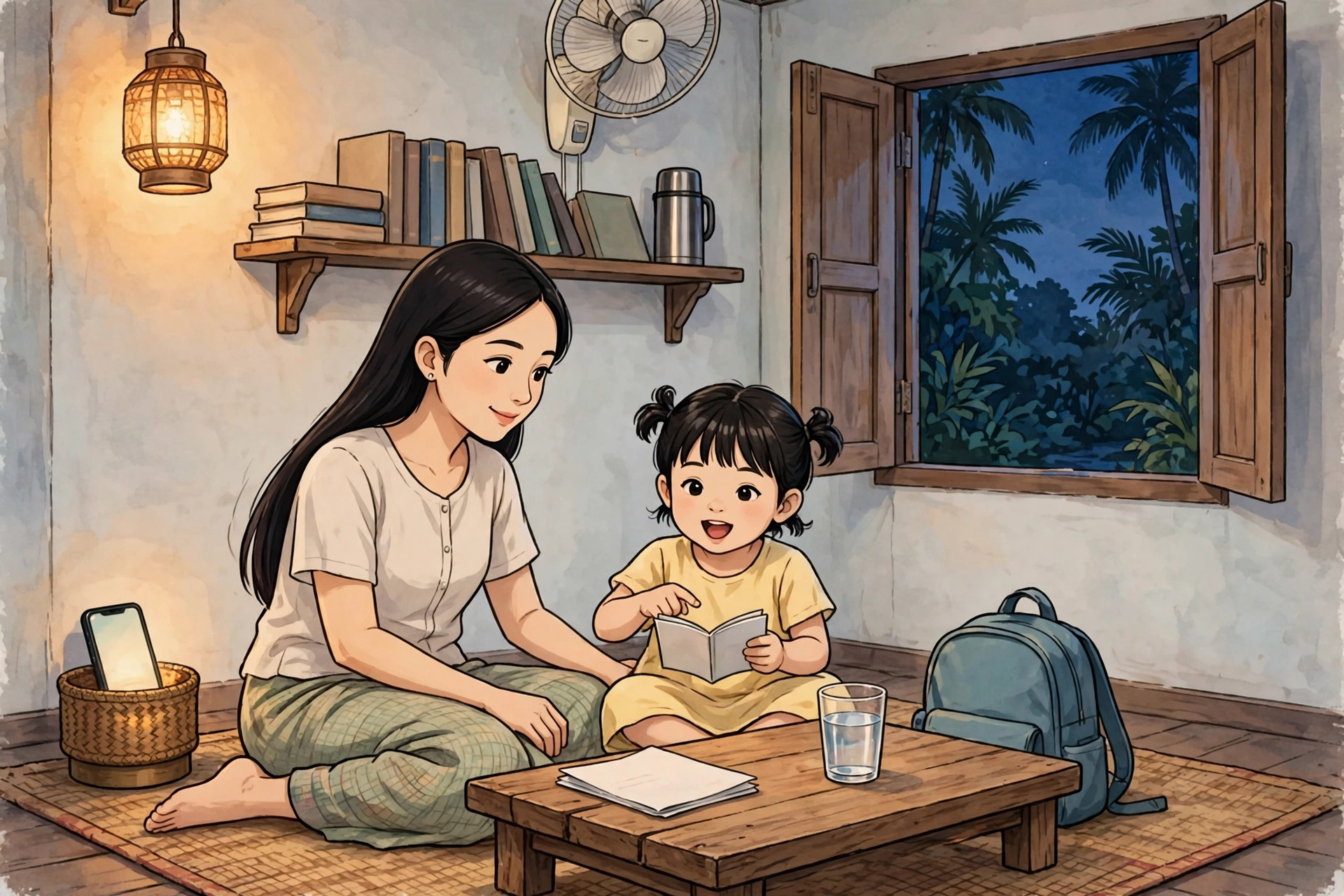
“Nnn… Nan.”
Her mother stops folding the washing.
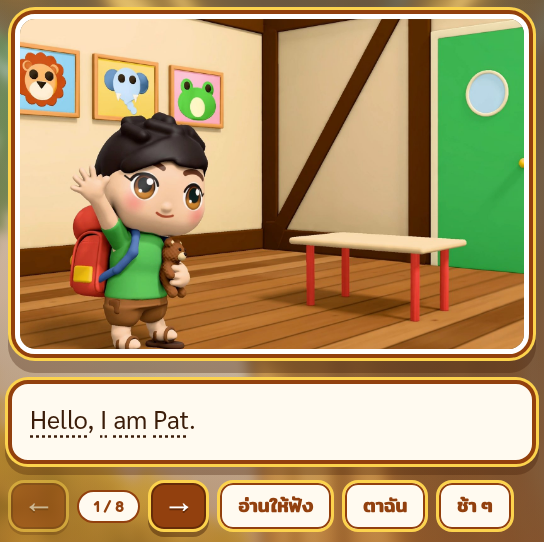
The fan turns above them. Dinner is finished. On the phone, Pip the puppy is wagging through the last line of “Hello, I am Pip.”
Their five-year-old sits on the floor with a small book open against her knees. She looks at the page, then at her mother. Her finger returns to the first letter.
“Nnn… Nan.”
This time, she grins before she finishes.
Her mother did not explain the letter or translate the page. She stayed close and listened. The QR codes on the Thai home card had opened the song and the books on their phone.
She signed in on their first visit. Now the phone remembers them. Her daughter can tap any word to hear its recorded clip, or press the sentence button to hear the whole line.
Tonight, though, she wants to read this part herself.
A page made for the next step
That evening begins with a simple teaching idea: make the next reading step small enough for a child to try with what she has already learned.
Each week of Storytime Advantage holds one letter sound, one song, and two books. The class hears the read-along book first. Voices and pictures give the children a familiar story before they read independently.
Then comes the decodable book. It uses only the sounds and words already taught. The page does not ask a five-year-old to guess her way through an unfamiliar pattern.
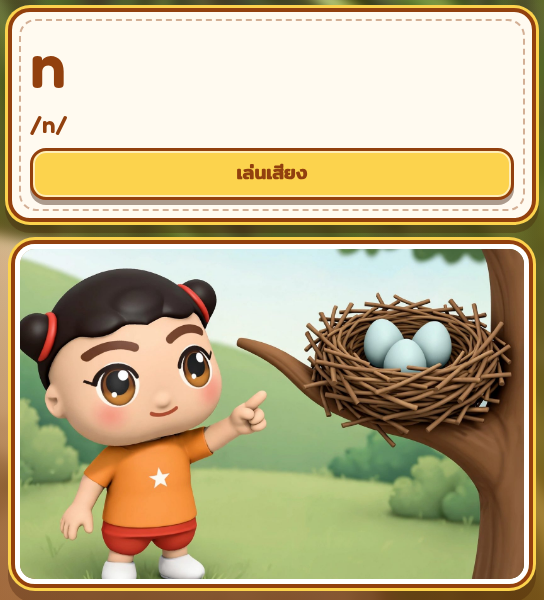
The sound itself stays pure: “nnn,” never the letter name “en.” The song gives the children English they can sing together. The decodable gives them a place to use the sound for themselves.
A Thai teacher at the center
The next morning, the same sound belongs to a classroom full of children.
The teacher holds up a picture. Small voices answer. The song starts, and the clapping arrives a little early.
She does not need to be an English specialist. Her printed script places the Thai beside the English. It shows what to say, what the children do, and what to watch for. Her attention stays with the children in front of her.
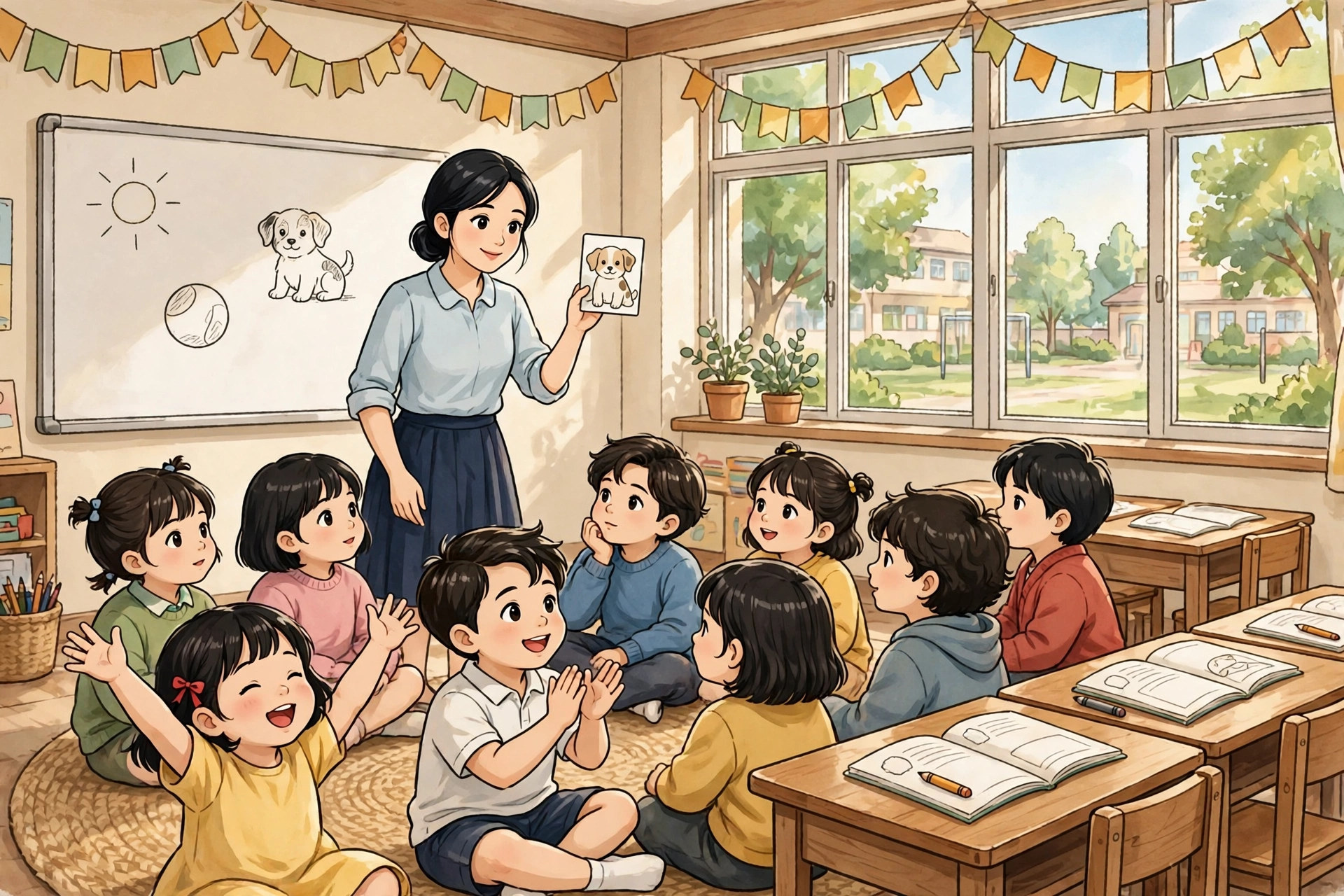
Review returns on a printed card strip, so children meet yesterday’s sound again. A Friday picture check shows which sounds and words need another visit. The routine is clear enough to repeat and human enough to enjoy.
The country beyond one room
Now picture that evening across Thailand.
A father hums Pip’s song while clearing the table in Khon Kaen. A grandmother scans the Thai home card beside the family shop. A kindergarten teacher starts Monday with the picture her class missed on Friday.
Storytime Advantage opens in November for Anuban 2 to P2, and at P3 those children walk straight into Primary Advantage. It leads the new Advantage apps we aim to open, one every month.
This is the Thailand we are building toward: Thai teachers teaching English with confidence, families sharing the same songs and books, and children opening a new page ready to try.
Across the country, classroom mats and living-room floors can share one clear sequence: one sound, one song, two books, and a child who knows where to begin.
Explore Storytime Advantage and see the week that connects school and home:
https://www.reading-advantage.com/en/products/storytime-advantage
Want to talk to our team?
We'd love to answer your questions and help you find the right solution for your child.
Contact UsYou might also like
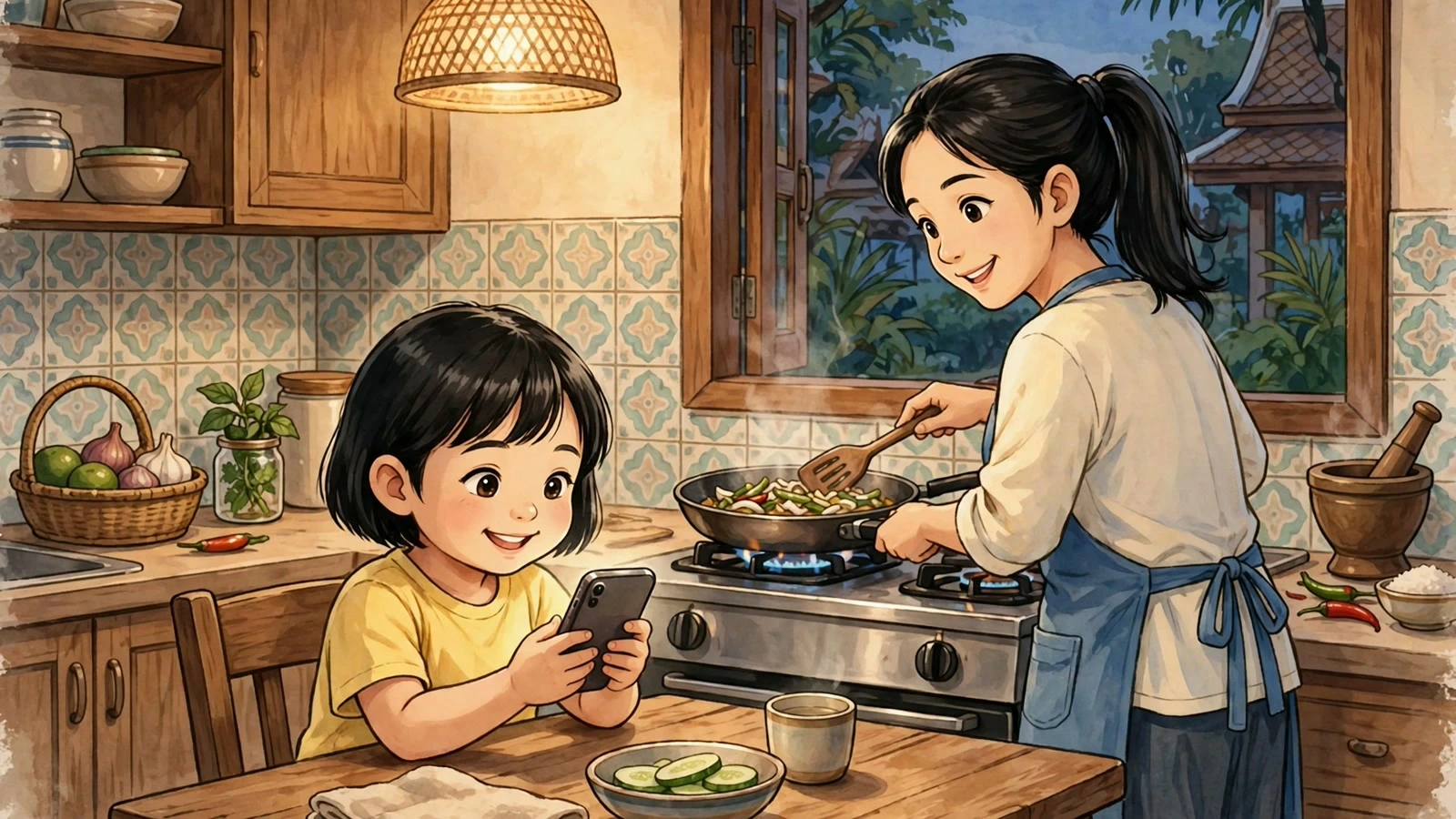
She Taps “Nest” and Hears It
At the kitchen table, a five-year-old meets a word she does not know and turns the page herself.
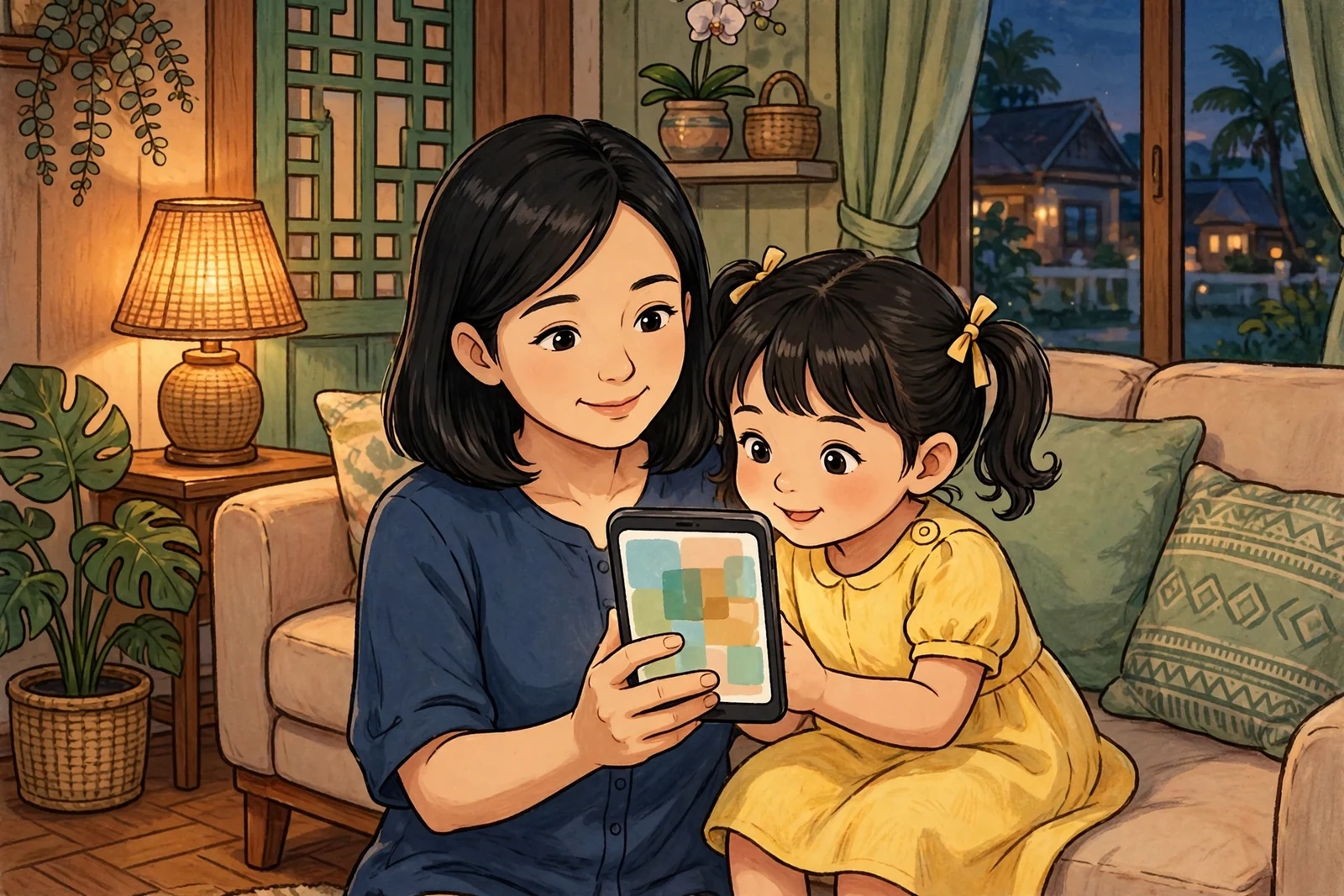
Five Minutes on the Sofa
One phone, one song, and five warm minutes bring the week's English sound home after dinner.
The Science of Storytelling
Discover how curated bilingual stories in Chinese and English can boost empathy and logical thinking in children, backed by neuroscience and cognitive research.