The PISA Crisis: Why Reading is a Math Problem
The PISA Crisis: Why Reading is a Math Problem
Every three years, the Programme for International Student Assessment (PISA) releases its results, and every three years, Thailand faces the same uncomfortable reality: our students are falling behind. But here's what most people miss — the problem isn't just about math. It's about reading.
The Shocking Numbers
In the latest PISA assessment, Thai students ranked in the bottom third globally in mathematics. But dig deeper into the data and you'll find something even more alarming: Thai students scored even lower in reading comprehension.
This isn't a coincidence. It's a causal chain.
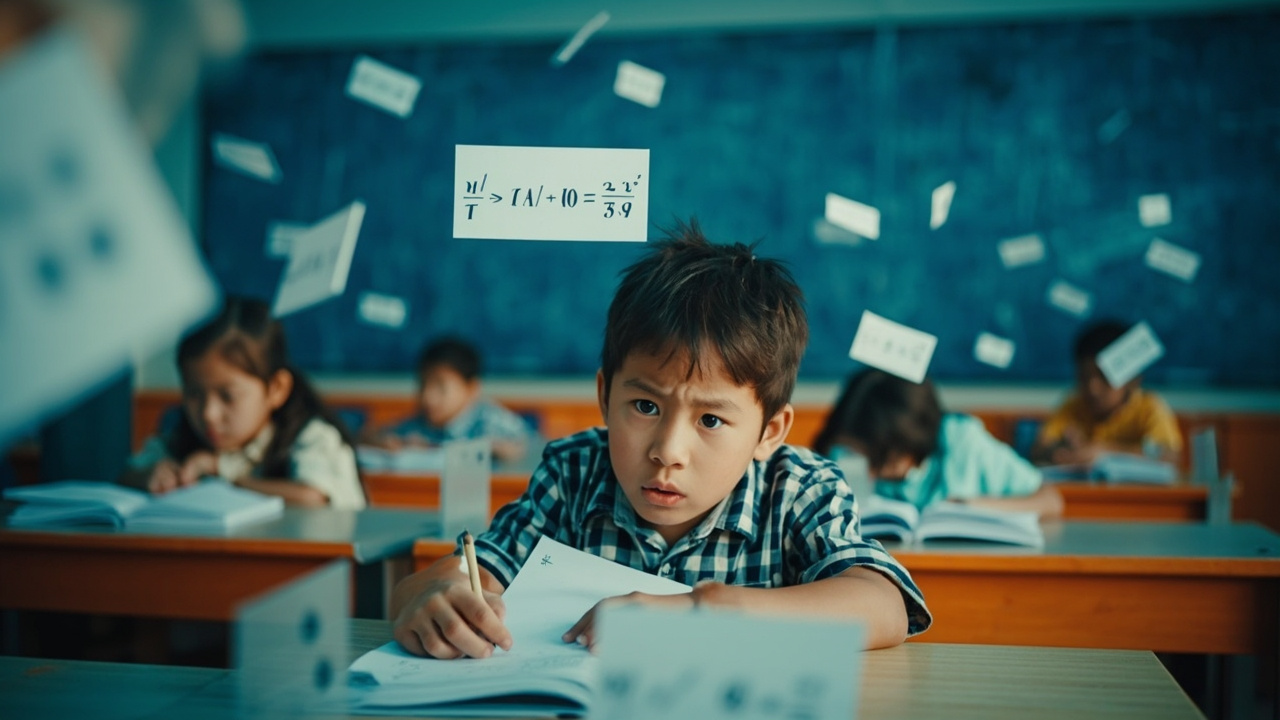
Students who cannot read well cannot solve math problems.
Why Reading Comprehension Destroys Math Scores
Modern mathematics isn't just about calculation. PISA math problems are word-heavy, context-rich scenarios that require students to:
- Read and understand complex problem descriptions
- Extract relevant information from paragraphs of text
- Identify what the question is actually asking
- Translate words into mathematical expressions
A student might know how to calculate percentages. But if they can't comprehend a word problem about "compound interest on a loan over multiple years," they cannot apply that knowledge.
The math ability is there. The reading ability is not.
The Hidden Crisis: Functional Illiteracy in Thai Schools
Thailand has achieved high enrollment rates. Most children attend school. But attending school is not the same as learning to read.
Research from the Thailand Educational Quality Assessment reveals that a significant portion of Thai students reach Mathayom level while reading below grade level. Many can "read" words but cannot comprehend paragraphs. They decode text without understanding meaning.
This functional illiteracy creates a devastating cascade:
- Poor reading → Cannot understand math problems
- Cannot understand problems → Cannot solve them
- Cannot solve problems → Fails exams
- Fails exams → Loses confidence
- Loses confidence → Avoids math entirely
By the time students reach PISA age (15), the damage is done.
Why Thai Students Struggle with Reading
Several structural factors contribute to Thailand's reading crisis:
1. Rote Learning Culture
Thai education traditionally emphasizes memorization over comprehension. Students learn to repeat answers without understanding context. This creates adults who can recite but cannot reason.
2. Limited Reading Materials
Many Thai schools lack diverse, engaging reading materials at appropriate levels. Students are forced to read texts that are either too easy (boring) or too difficult (frustrating), with nothing in between.
3. English Language Barrier
As Thailand pushes for English proficiency, many students struggle with foreign language texts before mastering reading in their native language. This creates a double literacy gap.
4. No Personalized Reading Support
Traditional classrooms move at one pace. Students who fall behind in reading rarely catch up because the curriculum doesn't wait for them.
The Reading-Math Connection: What Research Shows
International studies consistently show that reading comprehension is the strongest predictor of math performance — stronger than math-specific instruction alone.
- Students in the top reading quartile score 2-3 years ahead in math compared to bottom quartile readers
- Reading interventions improve math scores more than additional math tutoring
- Word problem difficulty is the primary differentiator between high and low PISA math scores
The evidence is clear: fix reading, and math improves automatically.
What Parents Can Do
If you're a parent watching your child struggle with math, the solution might not be more math worksheets. It might be more reading.
1. Assess Reading Comprehension First
Before blaming "math ability," test whether your child actually understands what they're reading. Can they summarize a paragraph? Can they identify the main idea? Can they infer meaning from context?
2. Read Together Daily
Make reading a family activity. Discuss what you read. Ask questions. The goal isn't just reading words — it's understanding meaning.
3. Choose Appropriate-Level Materials
Reading materials should be challenging but not frustrating. If your child struggles with more than 5-10% of words, the text is too hard.
4. Use Technology That Adapts
This is where Reading Advantage makes a difference. Our AI-powered platform identifies your child's exact reading level and provides personalized content that grows with them. No more boring texts that are too easy. No more frustrating texts that are too hard.
Reading Advantage uses adaptive technology to:
- Assess reading level precisely
- Provide leveled content that challenges without overwhelming
- Track comprehension, not just speed
- Build vocabulary in context
- Make reading engaging through personalized topics
When students read at their level, comprehension improves. When comprehension improves, math problem-solving improves. It's that simple.
A Call to Action for Thai Education
The PISA crisis isn't just about rankings. It's about whether Thai students can compete in a global economy that demands critical thinking, problem-solving, and information literacy.
We cannot solve Thailand's math crisis without solving Thailand's reading crisis first.
Every baht spent on reading intervention returns multiple times in improved math scores, better exam results, and more capable graduates.
Reading isn't just an English subject. It's the foundation of every subject.
The Path Forward
Thailand's education system doesn't need more tests. It needs more readers.
Students who read well think well. Students who think well solve problems well. Students who solve problems well succeed in PISA, in university entrance exams, and in life.
The PISA scores are a symptom. The disease is reading comprehension.
Cure the reading, and the math will follow.
Reading Advantage is committed to improving literacy outcomes for Thai students through AI-powered personalized reading instruction. Learn more about how we can help your child build the reading foundation they need for success in every subject.
Want to learn more?
Explore how Reading Advantage can help your child.
Learn more about Reading AdvantageWant to talk to our team?
We'd love to answer your questions and help you find the right solution for your child.
Contact UsYou might also like

EP Programs: Is the ROI Worth It?
Research-backed analysis of English Program schools in Thailand: Are they worth the investment?

The Distance Learning Gap: Why Satellite TV Isn't Enough, and the Critical Need for Personalized Feedback
Why satellite TV isn't enough, and the critical need for personalized feedback.

The 'Dek-D' Generation: How Self-Directed Learners Are Bypassing Traditional School Limitations
How self-directed learners are bypassing traditional school limitations.