
Mastery Advantage
Always know what's next.
The adaptive engine behind our curriculum — combining Knowledge Space Theory with FSRS spaced repetition to place, teach, and track each student.
Adaptive learning paths
One path for every student.
Every student follows a unique path through the skill graph. The system surfaces the next ready-to-learn skill based on what they've already mastered — no gaps, no redundancy.

Skill graph
- Mastered
- You are here
- Ready
- Locked

Review timing
- Mastered
- Ready
Spaced repetition
Review at the right moment.
FSRS calibrates each review interval to the individual. Items resurface at the moment before forgetting — so retention compounds and nothing is lost.
Explore the graph
Step through one student's path.
Pick a subject, then play the example or step through it. See a skill about to fade, the review that saves it, and the new skills it opens.
Progress tracking
Every skill, tracked and visible.
Teachers and admins see exactly which skills each student has mastered, which they're working on, and which ones they're not ready for yet. No guesswork.
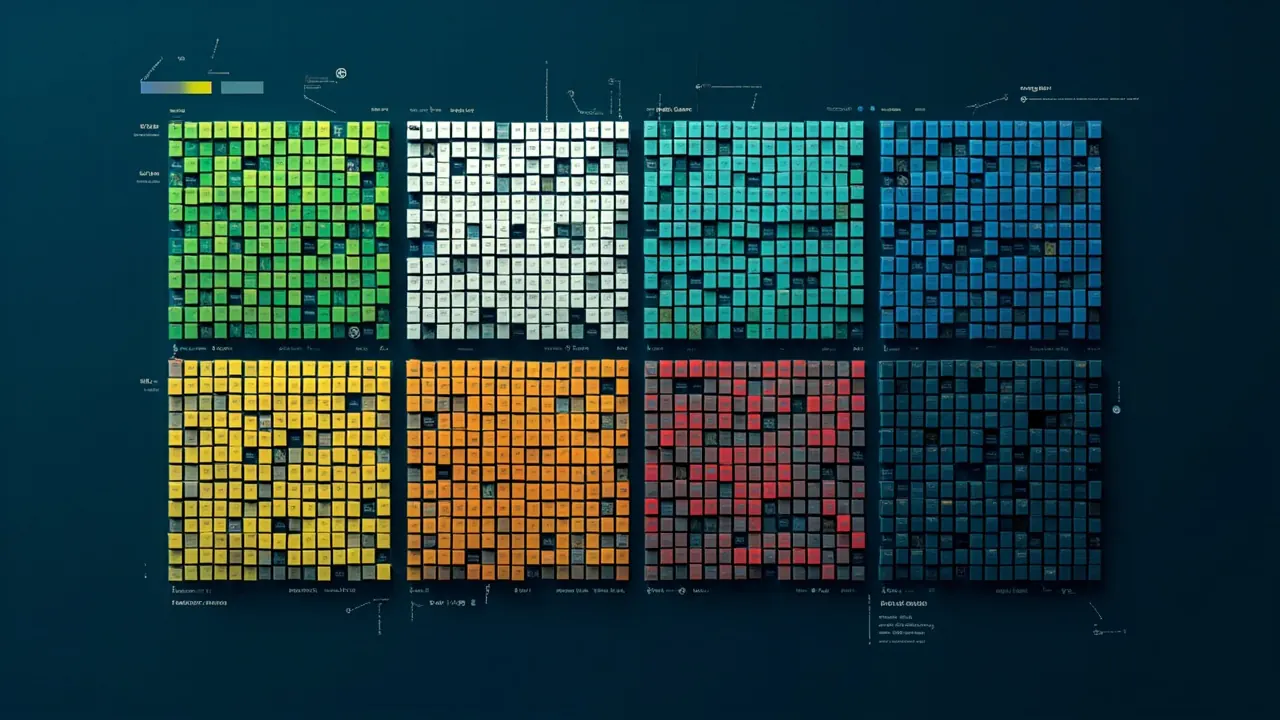
Skill progress
- Skill AMastered
- Skill BYou are here
- Skill CReady
- Skill DLocked
Illustrative example, not real student data.
Tagged content
How a lesson is tagged.
Every printed workbook has 14 lessons. We tag each lesson to skills in the Mastery Advantage knowledge graph. The same tags connect the workbook to its digital twin.
- 1
A workbook lesson
The lesson stays a printed, teacher-led lesson with its own activities and reading.
- 2
Tagged to skills
Each lesson links to the skills it teaches and practices. Skills align to CEFR levels.
- 3
Placed in the graph
The graph orders skills by prerequisite, so the engine knows which skills are ready next.
How it works
The technology behind the engine.
Mastery Advantage combines two research-backed systems into a single adaptive engine that places students, schedules reviews, and tracks proficiency across our products.
- 01
Knowledge Space Theory
Skills are organized into a directed acyclic graph of prerequisites. A student can only learn a skill after mastering all its prerequisites. The system uses this graph to determine readiness and generate personalized learning paths.
- 02
FSRS Scheduling
The Free Spaced Repetition Scheduler models each student's memory for every skill. After each interaction, it updates the predicted retention and schedules the next review at the right interval — balancing efficiency and retention.
- 03
Edge Calibration
The system identifies the boundary between known and unknown skills through targeted assessment. Rather than testing everything, it focuses on the edges of the student's knowledge space to place them efficiently.
- 04
Adaptive Placement
New students are placed at their true level through edge-calibrated assessment. The system quickly identifies which skills they've mastered and which they haven't, generating a personalized starting point without a lengthy placement test.
- 05
Proficiency Assessment
Proficiency is measured continuously through student interactions. Each response updates the system's estimate of skill mastery, providing real-time visibility into student progress.
Where it runs
Live in CodeCamp Advantage. Entering Primary Advantage.
Mastery Advantage runs in production for CodeCamp Advantage. It is entering Primary Advantage through tagged content. Our live product lines are Primary Advantage, Reading Advantage, and CodeCamp Advantage.
 Live
LiveMastery Advantage runs in production for CodeCamp Advantage.
 Entering
Entering through tagged content. Shadow mode runs in semester 2 2026. Adaptive features are targeted for May 2027.
 Not yet
Not in Reading Advantage today. It follows after Primary Advantage, with no date.
See it in action
Twenty minutes. Your students' data, on your screen.
We'll walk through how the engine works across your subjects of interest and show you exactly what the dashboards surface.
Book a 20-min demo